
Hospital relocation: phased around clinical service continuity. Patient records moved in sequence with chain of custody; warrantied medical equipment stays with the manufacturer.
Continuum Green relocates hospital and healthcare estates across the UK. Whether that is a full healthcare facility relocation or a departmental move within a live trust, the programme is built around clinical service continuity. Wards, offices, clinics, records, furniture, and IT are moved on a phased programme built around clinical service continuity. We work to your estates team’s sequencing and around the departments that cannot pause.
A hospital does not close for a move. That single fact separates healthcare relocation from every other kind. There is no equivalent of a Friday night shutdown, no weekend where the building is empty, and no department where a delay is merely inconvenient.
A hospital move at any scale – a single department or a full estate – follows the same principle: no phase begins until the previous one is confirmed operational.
The work is therefore phased rather than executed. Departments move in an order agreed with clinical leads and estates, with each phase completed and verified before the next begins. Sequencing is decided by clinical dependency, not by what is logistically convenient.
Continuum Green handles the general and non-clinical estate: administrative departments, offices, ward furniture, storage, records, and IT. That is a substantial share of any hospital move and it is where most of the volume sits. Where the IT estate is the larger part of the programme, our IT relocation services page sets out how servers, networks, and workstations are handled.
Specialist clinical equipment is a different discipline. Imaging systems, theatre equipment, and anything under a manufacturer warranty require the original equipment manufacturer to decommission and recommission it. We plan around that work and sequence with it. We do not perform it, and any supplier telling you otherwise is worth questioning.
Healthcare relocation suppliers routinely imply they cover everything. It is more useful to be precise, because the gaps between suppliers are where hospital moves fail.
| Element | Who handles it | Why |
|---|---|---|
| Offices, admin departments, ward furniture, storage | Relocation contractor. Our core scope. | Standard commercial relocation work, phased to clinical requirements. |
| Patient and medical records | Relocation contractor, to a documented sequence. | Records must remain retrievable throughout and move in strict order. |
| IT, workstations, comms equipment | Relocation contractor with your digital team. | Clinical systems availability governs the sequence. |
| Imaging, theatre and warrantied medical devices | Original equipment manufacturer. | Decommissioning and recommissioning by anyone else typically voids warranty and calibration certification. |
| Pharmaceuticals and controlled drugs | Pharmacy team with an appropriate specialist carrier. | Temperature control, custody, and controlled drug regulations apply throughout. |
| Hazardous substances and clinical waste | Licensed specialist carrier, with DGSA oversight where required. | Carriage of dangerous goods is a separate regulated activity. |
| Patients | The trust, with ambulance and clinical teams. | Never a relocation contractor under any circumstances. |
Confirm at tender stage who owns each row. The most common failure in hospital relocation is not damage. It is a row nobody claimed.

Confidential material travels in lockable transit units with custody recorded at each handover. Assets are logged against an inventory before disconnection and checked against it on arrival.
Our scope is the general and non-clinical estate. Where an item sits under a manufacturer warranty or requires calibration certification, it stays with the OEM and we sequence around that work rather than through it. The table above sets out which rows are ours.
Records are the part of a hospital move with the least tolerance for improvisation. A misplaced box of case notes is a clinical risk and a data protection incident at the same time.
Under the UK GDPR and the NHS Records Management Code of Practice, records must remain identifiable, retrievable, and secure throughout a move. In practice that means moving in strict sequential order, keeping runs intact rather than splitting them across vehicles, and maintaining a chain of custody that names who held what and when.
Retrievability during the move is the requirement people underestimate. Clinicians will need notes while boxes are in transit, so the sequence is designed so any given run is either fully at the origin or fully at the destination, and never scattered between the two.
Physical records move with a documented manifest. Digital and data-bearing equipment is handled separately, with certified destruction and a certificate issued against individual assets for anything being retired.
Trusts working to a Green Plan need disposal outcomes they can evidence, not a headline percentage. We record what left the site, which route each stream took, and what documentation supports it.
Surplus furniture and equipment is assessed for redeployment within the trust first, then donation or resale, before disposal is considered. Data-bearing equipment is separated and processed through certified destruction with a certificate issued against individual assets. What you receive is tonnage by stream with the waste transfer notes behind it.
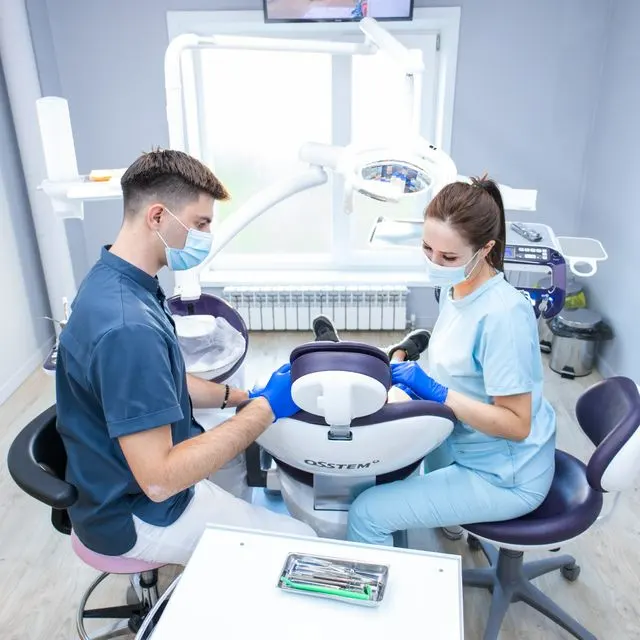
Commercial moves aim for one clean cutover. Healthcare moves almost never can, and attempting one usually creates the disruption it was meant to avoid.
Phasing is built around clinical dependency. A department that receives referrals from another cannot move ahead of it without splitting a pathway across two sites. Diagnostics, pharmacy, and pathology tend to be dependencies for many departments at once, which usually places them early in a programme rather than late.
Each phase is completed and confirmed operational before the next begins, so at any moment there is a known good state to hold at if something slips. That is slower and it costs more. It is also the reason a phased programme rarely produces the failures that a compressed one does.
Access constraints in hospital buildings are unusually tight. Lifts are shared with clinical traffic and cannot be block-booked in the way a commercial building permits, corridors stay in active use, and infection control requirements govern routes and cleaning between phases. All of this is agreed with estates and infection prevention before a programme is fixed.
What our scope covers on a hospital programme.
Ward furniture, storage, and departmental contents, phased to the sequence agreed with clinical leads.
Hardware decommissioning and documented chain of custody for servers, workstations, and patient records.
Decommissioning of vacated areas, with redeployment and donation assessed before disposal.
Evening and weekend sequencing built around clinical activity windows.
Method statements, risk assessments, and insurance certificates supplied for tender.
On-site adjustments and final unpacking so departments are usable on reopening.
The boundaries here matter more than on a commercial move, so we state them plainly.
We do not decommission, transport, or recommission warrantied clinical equipment. We do not transport pharmaceuticals, controlled drugs, hazardous substances, or clinical waste. We do not move patients. Each of those sits with a specialist, and we build our programme around theirs.
If your project is primarily laboratory equipment rather than general estate, our laboratory relocation service is scoped differently and is the better starting point.
If your requirement is relocation support for individual NHS staff moving home for a post, that is domestic relocation and not what this service covers.
Questions that come up most often from estates and facilities teams.
Yes, and that is the normal expectation. It is achieved through departmental phasing rather than a single cutover, with each phase confirmed operational before the next starts.
The original equipment manufacturer, in almost all cases. Decommissioning and recommissioning by a third party typically voids warranty and invalidates calibration certification. We sequence our work around theirs.
Runs are moved intact and in sequence, so a given set of records is either wholly at the origin or wholly at the destination rather than split between them. A manifest records custody at each stage.
Routinely. Hospital access windows are dictated by clinical activity rather than office hours, and much of the work happens overnight or at weekends by necessity.
It is assessed for redeployment within the trust first, then resale or donation, before disposal is considered. Data-bearing equipment goes through certified destruction and you receive documentation for both streams.
Yes. Hospital relocation logistics planning is central to what we do. Every programme starts with a phased sequence plan built around clinical dependencies – which departments move first, which access windows are available, and how each phase is confirmed operational before the next begins. We work directly with your estates team and clinical leads to build a logistics plan that keeps services running throughout.
Speak directly with our UK public sector relocation experts today. Tell us your phasing constraints and which departments cannot pause, and we will tell you what we can commit to.
Every move starts with a survey. Book yours.
Book A Survey