
IT relocation: disconnection, transport, reinstallation and testing of servers, network hardware and workstations across the UK. Retired assets processed under WEEE with certified data destruction.
Continuum Green relocates IT infrastructure for organisations across the UK. Servers, network hardware, comms room equipment, workstations, and the structured cabling that connects them. We manage disconnection, transport, reinstallation, and post-move testing, working inside your change control process and to your confirmed go-live date.
An IT relocation is not a furniture move with computers in it. The physical carry is the smallest part of the job. The work that decides whether your people can log in on Monday happens before anything is lifted: auditing what you own, mapping how it is connected, and agreeing the order in which it comes apart and goes back together.
Continuum Green handles technology estates ranging from single workstation floors to multi-rack server environments. Every device is logged and labelled before disconnection. Every port is mapped and photographed. Every rack elevation is recorded so the rebuild matches the original rather than an engineer’s memory of it.
We work alongside your internal IT team or managed service provider rather than around them. Our crews understand rack units, patch schedules, and change windows, which means less time spent explaining the environment and more time executing against it.
Nothing goes offline without authorisation. Nothing moves without documentation. Nothing is signed off as live until your technical leads have confirmed it against the pre-move asset register.
Different classes of equipment follow different routes through a move. Some is transported and rebuilt, some is reinstated at a named desk, and some never arrives at the new site at all because it has reached end of life. This is how each category is handled and what paperwork it produces.
| Asset class | What happens to it | Documentation produced |
|---|---|---|
| Server racks and cabinets | Powered down to an agreed sequence, de-populated where transport requires it, moved in protected cases, and re-racked to the recorded elevation plan. | Rack elevation record, power and port map |
| Network switches, patch panels, structured cabling | Port-mapped and photographed before a single cable is pulled, then rebuilt to match the original patching rather than reconstructed on site. | Port map, patch schedule |
| Workstations, monitors, docks, peripherals | Labelled against user and desk position, packed, transported, and reinstated at the named position in the new floor plan. | Asset register keyed to user and desk |
| Comms room, UPS and environmental equipment | Sequenced jointly with your facilities team and MSP, because power and cooling readiness governs everything that follows. | Method statement, sequencing plan |
| Data-bearing equipment being retired | Collected separately from the move stream and processed through certified data destruction before the hardware is treated as waste. | Certificate of destruction, waste transfer note |
| Non data-bearing redundant hardware | Assessed for reuse or resale first. Recycling is the fallback, not the default. | Waste transfer note, diversion record |
IT is last out of the old building and first into the new one. That single constraint shapes the entire project. Your old site has to stay usable until the final person logs off on Friday, and your new site has to be live before the first desk is occupied on Monday. Everything else is scheduled around that squeeze.
The working order is almost always the same. Core network and comms room infrastructure goes into the new building first and is proven live. Servers follow. User devices go last, because a workstation cannot be tested until there is a network for it to reach. Reversing any part of that order creates a queue of engineers standing in a room they cannot test.
That sequence is one workstream inside a wider set of dependencies, set out month by month in the office move checklist and project plan.
The two things that derail an IT move are rarely the move itself. The first is building readiness. If the landlord has not handed over the new comms room with power and cooling signed off, the sequence stalls before it starts, and no amount of crew on site fixes it. Confirm the M&E handover date before booking anything.
The second is circuit lead time. A new leased line is ordered in months, not weeks. Businesses that treat connectivity as a move-week task discover the problem when it is far too late to solve. Decommissioning the old site is the last step, not a parallel one, because the old environment is your fallback until the new one is confirmed working.
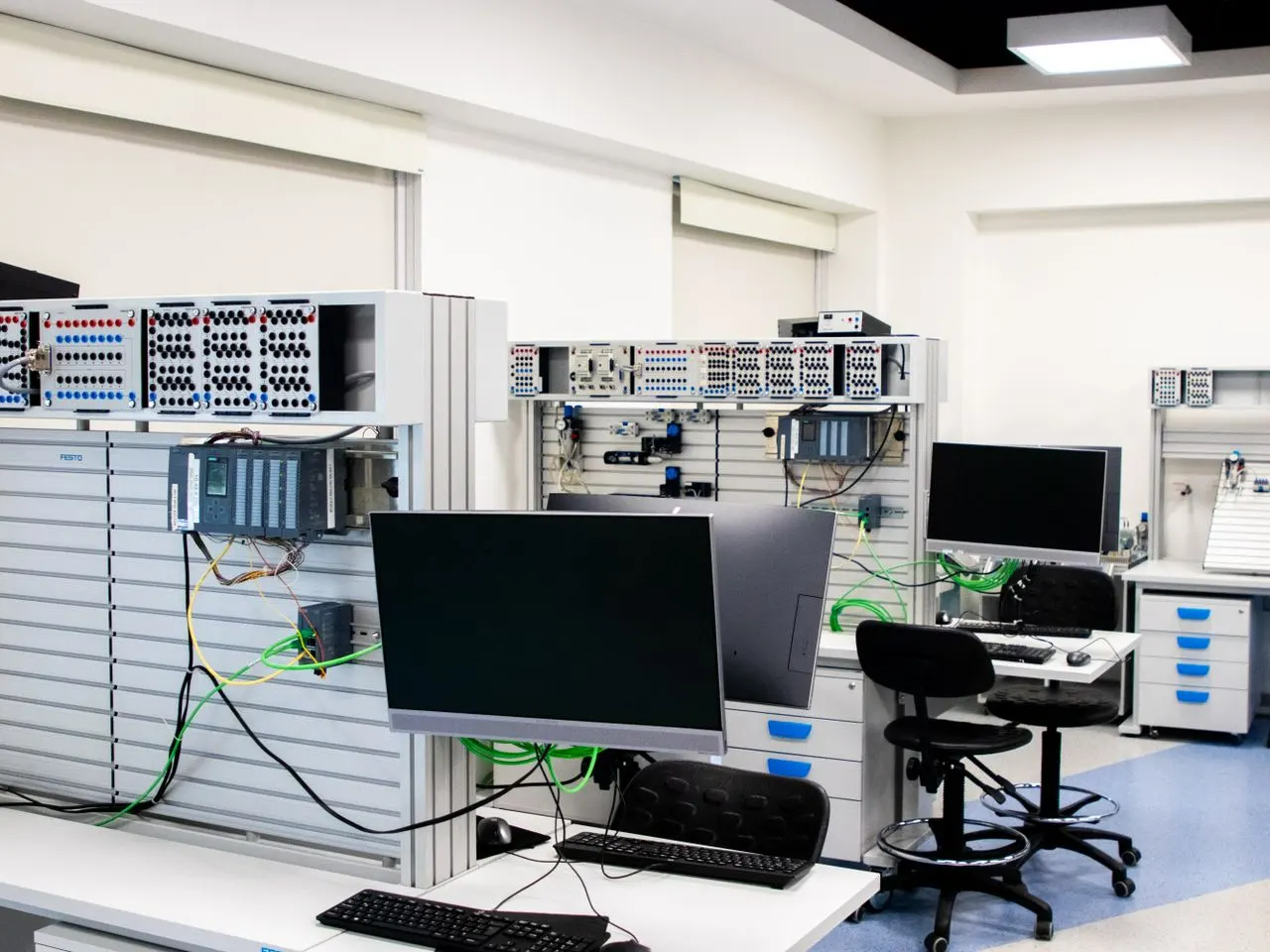
Standard relocation handling is not appropriate for IT environments. Continuum Green deploys specialist IT relocation protocols covering anti-static handling, cable management documentation, equipment labelling, and shock-protected transport on every technology project we deliver.
Every device is individually logged and labelled before disconnection. Every cable run is documented before removal. Every rack is transported in purpose-built, shock-monitored equipment carriers. And every asset is verified against your inventory register at the point of reinstallation in your new environment.
Not every move needs a specialist crew. The right answer depends on how much of your estate is infrastructure rather than furniture, and on what happens if it comes back wrong.
| Approach | Best suited to | Main tradeoff | Where it typically goes wrong |
|---|---|---|---|
| Your own IT team | Small counts of devices moving within the same building or to an adjacent floor. | No goods-in-transit cover for hardware, no lifting equipment, no spare capacity. | Your engineers spend the weekend carrying monitors instead of testing systems, and go into Monday exhausted. |
| A general commercial mover | Furniture-led relocations where IT is a small share of the total volume. | Crews are trained on furniture handling, not rack elevations or patch schedules. | Cables pulled without a port map, and a comms room rebuilt from photographs taken after disconnection rather than before. |
| A specialist IT relocation team | Server rooms, multi-floor workstation estates, and regulated environments with audit requirements. | Higher cost per asset than a general crew moving the same boxes. | Scope gaps at the boundary with your MSP, if responsibility for reconfiguration is not agreed in writing beforehand. |
That last row matters more than it looks. The most common failure on a well-run IT move is not damage. It is a task nobody owned, sitting in the gap between the move crew and the managed service provider. Agree the boundary before the survey is signed off.
IT relocations almost always surface redundant equipment that has reached end of life or simply has no place in your new environment. Continuum Green manages the responsible decommissioning of legacy technology as a fully integrated part of your relocation project, ensuring that outdated assets are handled with the same rigour as everything else on your inventory.
Data-bearing devices are processed through certified destruction procedures with documented certificates of destruction issued for every asset. Redundant hardware is directed through accredited recycling channels that recover raw materials responsibly. Your organisation receives complete decommissioning documentation covering every legacy asset removed from your estate.
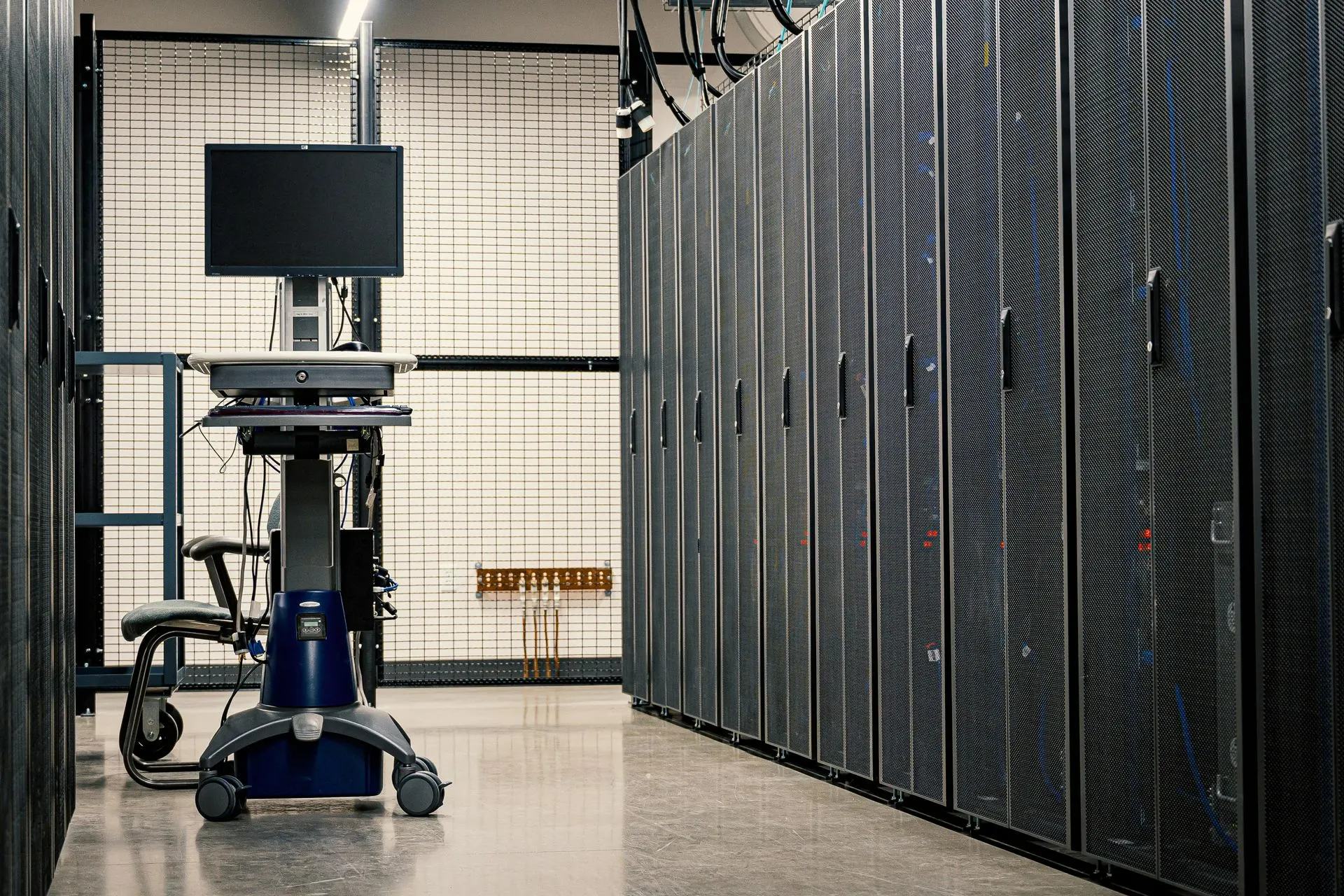
Redundant equipment is where an IT relocation stops being a logistics exercise and becomes a compliance one. Under the Waste Electrical and Electronic Equipment Regulations 2013, business users have obligations for how electrical equipment is treated at end of life, and those obligations do not transfer simply because someone took the hardware away.
Separately, the duty of care under section 34 of the Environmental Protection Act 1990 requires waste to be transferred only to an authorised person, with a waste transfer note recording what moved and where it went. Keep those records. They are what an auditor asks for.
Any device that has held personal data carries a further obligation. The integrity and confidentiality principle in Article 5(1)(f) of the UK GDPR applies for as long as that data is recoverable, which includes the period after the device has left your building. A hard drive in a skip is still your responsibility.
This is why data-bearing assets are pulled out of the ordinary move stream, tracked separately with documented chain of custody, and processed through certified destruction that produces a certificate naming the individual devices. Anything without recoverable data is assessed for reuse before recycling is considered.
We do not publish a per-device rate, because the number would be misleading. Two moves with identical device counts can differ substantially in price, and the variables are worth understanding before you compare quotes.
The largest single factor is the mix of your estate. A hundred workstations and a hundred rack units are not comparable work. Rack handling requires different equipment, different insurance, and a slower sequence. The second factor is whether racks travel populated or de-populated, which changes both the risk profile and the crew size.
Beyond that: out-of-hours and weekend working, distance and the number of vehicle loads, and building access at both ends. Lift availability, loading bay booking windows, and stair carries change timings more than most people expect. So does the volume of decommissioning and data destruction, and how much post-move floor-walking support you want on the first working day.
When you compare quotes, check what each one assumes about those points. A cheaper figure that excludes weekend working, reinstatement testing, or certified destruction is not cheaper. It is a different scope.
Comprehensive IT relocation services engineered around your infrastructure requirements, your change management processes, and your absolute need for operational continuity throughout.
Detailed physical audit and labelling of your entire technology estate before the move begins, producing an accurate asset register that governs disconnection sequencing, transport management, and reinstallation verification.
Safe disconnection, individually labelled packaging, and confirmed reinstallation of all desktop computers, monitors, peripherals, and personal technology to each user’s confirmed position in the new environment.
Specialist decommissioning, transport, and reinstallation of server racks, network switches, patch panels, and supporting infrastructure carried out within your approved change management and maintenance window framework.
Comprehensive documentation of all structured cabling, network connections, and power configurations prior to disconnection, with systematic reinstatement to your confirmed new environment layout.
Certified collection and processing of redundant IT equipment through accredited data destruction and hardware recycling channels, with full documentation provided for compliance and audit purposes.
Systematic post-reinstallation testing of all relocated technology against your confirmed asset register and technical specifications, with formal sign-off from your IT leads before project handover and close.
Some projects are better served elsewhere, and it costs you nothing for us to say so early.
If you are moving a small number of devices within the same building, your own team can handle it and bringing in a specialist crew is poor value. If your new site has no confirmed mechanical and electrical handover date, booking a move is premature, and we would rather resurvey later than hold a slot you cannot use.
If you need a live data centre migration with parallel infrastructure and no downtime window, that is a different discipline from a physical relocation. Our data centre relocation service covers the physical side, but true zero-downtime migration is an architecture project first.
We also do not deliver design-and-build office fit-out, and we do not redesign network architecture. We move and reinstate the environment you have. Changes to how it is configured stay with your IT team or managed service provider, by design.
Questions we are asked most often during the survey stage.
Yes, and most IT relocations run that way. The move window is normally defined by when your people stop working rather than by our availability. Out-of-hours working affects cost, so it is confirmed at survey rather than assumed.
Book the survey as soon as the new site is confirmed. The move itself needs weeks of notice, but the dependencies around it need months. Connectivity provisioning and landlord handover dates are the long poles, and neither is under our control or yours.
Both. Server and comms room work is sequenced separately from user devices because the dependencies differ, but it is the same project and the same asset register.
Hardware in our care is covered while in transit. Confirm the cover level against the replacement value of your estate before the move, particularly if you are moving populated racks, and ask any provider to put the figure in writing.
It is separated from the move stream. Data-bearing devices go through certified destruction with a certificate issued against the individual assets. Everything else is assessed for reuse before recycling, and you receive waste transfer documentation either way.
Speak directly with our IT relocation specialists today. We will audit your technology estate, build a structured migration plan around your change management framework, and deliver every asset to your new environment safely, systematically, and ready to perform from day one.
Every move starts with a survey. Book yours.
Book A Survey