
Office furniture clearance: contents removed before strip-out or lease handover. Reuse assessed first, certified data destruction, and the waste documentation your landlord will ask for.
Continuum Green clears the contents of commercial premises across the UK before strip-out, refurbishment, or lease-end handover. Furniture, IT equipment, storage, and documents are removed, sorted, and routed to reuse wherever possible. You receive the documentation your landlord, auditor, or surveyor will ask for.
Clearance is the first phase of vacating a building, and it has to finish before anything else can start. A soft strip contractor cannot begin while desks are still in the way. A dilapidations survey cannot be settled while the floor is full of contents nobody has decided about.
The work is straightforward to describe and easy to underestimate. Everything not fixed to the building has to leave: workstations, storage, seating, kitchen equipment, IT hardware, archived documents, and the accumulated contents of cupboards nobody has opened in years. Each category has a different destination and a different set of obligations attached to it.
We survey the floor before quoting, because volume estimates made from a floor plan are consistently wrong. The survey establishes what is genuinely reusable, what carries data, what is classified as waste, and what belongs to the landlord and should stay exactly where it is.
That last category matters more than people expect. Removing something that formed part of the demised premises can create a dilapidations liability rather than reduce one. We check against the schedule before anything is loaded.
Very little of an office needs to become waste. The point of a surveyed clearance is that each category takes the highest-value route available to it, and that the route is documented.
| Category | Where it goes | What you receive |
|---|---|---|
| Reusable furniture | Assessed for resale, redeployment to another of your sites, or donation to charities and social enterprises before disposal is considered. | Reuse and redistribution record |
| IT and data-bearing equipment | Separated from the general clearance stream and processed through certified data destruction. | Certificate of destruction against individual assets |
| Confidential documents | Secure collection and shredding rather than general waste, which remains your responsibility under UK GDPR until destroyed. | Destruction certificate |
| Electrical equipment | Licensed treatment under the WEEE Regulations 2013. Business users retain obligations here regardless of who collects. | Waste transfer note |
| Non-reusable mixed waste | Segregated on site and transferred to a licensed carrier under the duty of care in section 34 of the Environmental Protection Act 1990. | Waste transfer note and diversion figures |
| Landlord fixtures and fittings | Normally stay. Removing them can create a reinstatement liability rather than discharge one. | Checked against your lease and schedule before works |
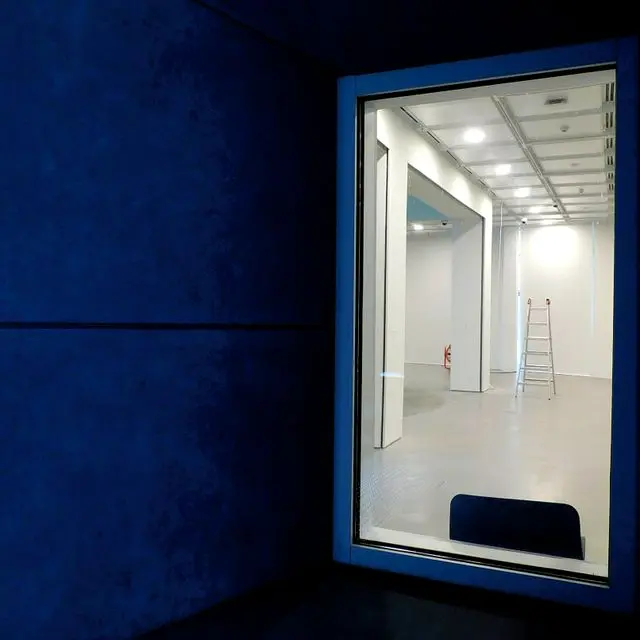
A successful office strip-out is not just about removing items. It is about clearing the space safely, protecting the building and keeping the project on schedule.
Our team helps manage the practical details, from office furniture removal to general clearance, so your workplace is ready for what comes next.
Three separate jobs get bundled together in conversation and then priced as though they were one. They have different contractors, different regulatory regimes, and often different people paying for them.
| Phase | What it covers | Who delivers it |
|---|---|---|
| 1. Contents clearance This is our work | Everything loose: furniture, IT, storage, documents, kitchen and breakout equipment. Nothing fixed to the building. | Clearance and relocation specialist. No demolition licence required because nothing structural or fixed is touched. |
| 2. Soft strip demolition | Non-structural fixed elements: partitions, suspended ceilings, raised floors, floor finishes, and mechanical and electrical containment. | Demolition contractor working under CDM 2015, with asbestos survey requirements under the Control of Asbestos Regulations 2012. |
| 3. Dilapidations works | Reinstatement of the premises to the condition your lease requires, as set out in a terminal schedule of dilapidations. | Fit-out or building contractor, usually managed by a surveyor acting on the schedule. |
They run in that order, and phase one gates the other two. One thing worth raising with your surveyor early: if the landlord intends to redevelop or substantially refurbish, the principle of supersession may reduce or remove parts of the reinstatement liability, because works you pay for would be undone anyway. That is a conversation to have before you commission anything, not after.
Continuum Green supports businesses that need clean, organised and professional clearance before relocation, refurbishment, lease end or workplace change.
We help remove unwanted furniture, fittings and business items while keeping the process structured, careful and easy for your team to manage.
Clearance is priced on volume, access, and how much sorting the job requires, not on floor area. Two identical floors can differ substantially depending on what is actually in them.
Volume is the obvious driver. Less obvious is the ratio of reusable to waste: a clearance where most furniture is in resale condition looks very different on a quote from one where everything is damaged, mismatched, or twenty years old. Reuse offsets disposal cost, and it also changes your diversion figures.
Access is the other large variable. Lift availability and capacity, loading bay booking windows, stair carries, and whether the building permits work outside office hours all change crew size and duration more than volume does.
Then there is sorting depth. A clearance that requires confidential document handling, data-bearing asset segregation, and an itemised reuse record is a different job from a straightforward strip and skip. When comparing quotes, check which of those are included. The cheaper number usually excludes the documentation, and the documentation is the part your landlord and auditor will ask for.
Practical office strip-out and clearance services designed to help your business clear space quickly, safely and professionally.
We remove desks, chairs, cabinets, storage units and workplace furniture from offices of different sizes.
We can support the removal of agreed fixtures, fittings and non-structural items as part of the clearance.
We help businesses clear offices before handover, reducing pressure when lease deadlines are approaching.
Items can be separated for reuse, recycling or responsible disposal where suitable and practical.
Our team helps leave the office clear, organised and ready for contractors, landlords or the next occupier.
We plan around access times, building rules and business needs to keep the clearance process controlled.
We are not the right supplier for every part of a building exit, and the boundaries are worth stating clearly.
We do not carry out soft strip demolition. Partitions, suspended ceilings, raised floors, and mechanical and electrical systems are removed by a demolition contractor working under CDM 2015, not by a clearance crew. We frequently work immediately ahead of one, and we will hand over a clear floor to their programme.
We do not carry out dilapidations reinstatement or fit-out works, and we do not survey or negotiate dilapidations claims. That sits with a building surveyor.
We are also not a furniture retailer. If you are looking to buy second-hand office furniture, we are not the right destination. Our interest in your surplus furniture is finding it a next user through reuse and redistribution, not selling it from a showroom.
Questions that come up most often when a lease is ending.
A clearance removes contents. A strip out removes fixed, non-structural elements of the building such as partitions, ceilings, and services containment. Clearance comes first and is a logistics job. Strip out is construction work under CDM 2015 and needs a demolition contractor.
Normally the outgoing tenant, because the obligation to yield up the premises clear of contents sits in the lease. What counts as contents versus landlord fixtures is defined by your lease and the schedule of dilapidations, so read both before assuming.
No, and removing the wrong things can cost you. Items that form part of the demised premises usually stay. We check against the schedule at survey rather than clearing on assumption.
It is assessed for redeployment to your other sites first, then resale or donation to charities and social enterprises. Recycling is the fallback, not the default, and you receive a record of where items went.
Book the survey as soon as your exit date is known. The clearance itself needs less lead time than the phases after it, but it gates the strip-out programme, so a late clearance delays everything downstream.
Speak with Continuum Green today and let our team help strip out, clear and prepare your office with confidence.
Every move starts with a survey. Book yours.
Book A Survey