
IT asset disposal: redundant equipment audited at serial level, data sanitised to the right standard and value recovered through reuse. Degaussing does nothing to solid state drives.
Continuum Green collects and processes redundant IT equipment for organisations across the UK. Assets are inventoried at serial level, data-bearing devices are sanitised or destroyed through certified processes, and equipment with remaining life is refurbished for reuse before recycling is considered.
Redundant IT is a liability that looks like clutter. A stack of retired laptops in a store cupboard carries data you are still responsible for, waste obligations you still hold, and residual value that falls every month it sits there.
IT asset disposal is the controlled process of removing that liability: identifying what you hold, destroying or sanitising the data on it, recovering value where value remains, and evidencing all of it well enough to satisfy an auditor or a regulator.
The evidence is the part that matters most and gets least attention. A collection with no serial-level record proves nothing. If you cannot show which specific device was sanitised, when, and by what method, you have moved the equipment without discharging the obligation attached to it.
We collect during relocations and as a standalone service. Either way the process is the same: audit first, segregate data-bearing assets, process through certified routes, and return documentation that names individual devices rather than describing a van load.
Data sanitisation is not one thing, and choosing wrongly either destroys value unnecessarily or leaves data recoverable. These are the methods and where each belongs.
| Method | What it does | When it is appropriate |
|---|---|---|
| Software erasure | Overwrites the data and leaves the device fully usable afterwards. | Equipment with remaining resale or redeployment value. Verified erasure produces a per-device certificate against the serial number. |
| Degaussing | Applies a magnetic field that destroys data on magnetic media. The drive is unusable afterwards. | Traditional hard drives and tape only. It does nothing whatsoever to solid state drives, which are not magnetic. This is the most common technical error in IT disposal. |
| Physical destruction | The media is shredded or crushed to a defined particle size. | Highest sensitivity data, failed drives that cannot be erased, and solid state media where verified erasure is not achievable. |
| Whole-device destruction | The entire unit is destroyed rather than just the media. | Rare, and usually driven by internal policy rather than risk. It removes all residual value, so confirm it is genuinely required. |
Recognised guidance including NIST SP 800-88 distinguishes between clearing, purging, and destroying, and matches the method to the sensitivity of the data rather than defaulting to the most destructive option. For physical destruction of confidential material, BS EN 15713 is the relevant British and European standard.
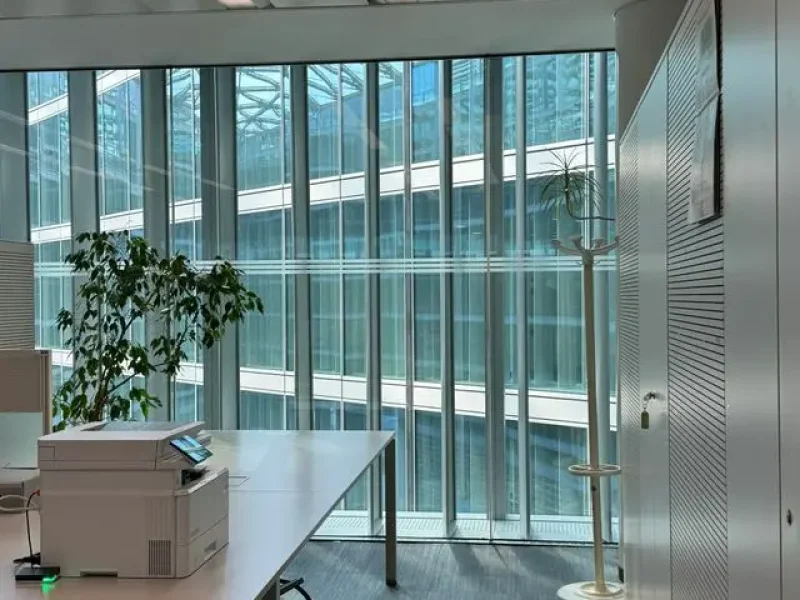
Every decommissioning project needs proper planning. Items may need to be reused, relocated, stored, donated, recycled or removed safely.
We help your team sort the process clearly, so assets are handled correctly and your site is cleared with less stress and better organisation.
Anyone can collect equipment. What separates suppliers is what arrives back afterwards. These are the things worth requiring in writing before a single item leaves your building.
| Require | Why it matters |
|---|---|
| Serial-level asset report | Without serial numbers you cannot demonstrate which device was processed. A count of items is not evidence. |
| Certificate per device | Erasure or destruction certification naming individual assets, not a blanket certificate for a collection. |
| Licensed carrier and waste transfer notes | Your duty of care under section 34 of the Environmental Protection Act 1990 applies to how waste leaves your site. |
| Approved treatment facility | Electrical waste must reach a facility authorised to treat it under the WEEE Regulations 2013. |
| Processor agreement | If devices hold personal data, Article 28 of the UK GDPR requires a written contract with whoever processes them on your behalf. |
| Downstream visibility | Ask where equipment actually goes after the first facility. Responsibility follows the material further than most people assume. |
A smooth handover depends on timing, access, communication and careful clearance. Our team helps manage each stage so your space is left tidy and prepared.
Whether you are closing, relocating or refreshing a site, we support the full decommissioning process from planning to final removal.

One point is worth stating plainly because it is widely misunderstood. Appointing a disposal supplier does not transfer your responsibility for the data on the devices.
Under the UK GDPR you remain the controller. The supplier acts as a processor on your instructions. If data is recovered from equipment you disposed of, the regulator will ask what instructions you gave, what contract you had in place, and what evidence you retained. A verbal arrangement and a van that took the boxes away is not an answer.
The same logic applies to environmental obligations. Waste duty of care is not discharged by handing material to someone who says they are licensed. Check the licence, keep the transfer notes, and retain them.
None of this is difficult. It requires a supplier who produces the documentation as a matter of course rather than on request, and an internal habit of filing it rather than assuming someone else has.
Redundant does not mean worthless. A three-year-old business laptop typically retains meaningful resale value; the same machine at six years generally does not. Value falls continuously, which makes delay the most expensive decision in the process.
We assess equipment for redeployment within your organisation first, since the cheapest device you can give someone is one you already own. What cannot be redeployed is assessed for refurbishment and resale, with recovered value offset against the cost of the work.
Equipment beyond economic repair goes for materials recovery through authorised treatment. That is the last option rather than the default, which is the distinction between disposal and simply throwing things away with paperwork.
Reuse also produces a far better carbon outcome than recycling, because manufacturing accounts for the overwhelming majority of a device’s lifetime emissions. If you report against environmental targets, extending a device’s working life counts for considerably more than recycling it responsibly at the end.
Sustainable decommissioning services designed to help your business clear space responsibly, safely and professionally.
We remove office furniture, equipment and general business items as part of a structured clearance plan.
Items can be separated for reuse, relocation, storage, recycling or responsible disposal where suitable.
Desks, chairs, cabinets, meeting furniture and workplace items are removed carefully and efficiently.
We help identify items that may be suitable for reuse across other sites or future business projects.
Our team helps clear the workplace so the site is better prepared for handover, refurbishment or new use.
We work around access times, deadlines and site requirements to keep the decommissioning process controlled.
We should be clear about what we are and are not.
We are a relocation and asset management business. We collect, audit, and coordinate the processing of redundant IT through certified routes, and we return the documentation. We do not operate a data destruction facility or a treatment plant ourselves.
If you require on-site witnessed destruction with your team observing the process, or you need a supplier holding specific accreditations named in your procurement documents, ask us before you shortlist so we can confirm whether we can meet the requirement for your project.
Where disposal forms part of a wider move, it is usually scoped alongside it. See IT relocation, or clearance where the requirement covers general contents as well as technology.
Questions we are asked most often about retiring IT equipment.
No. Degaussing destroys data on magnetic media, and solid state drives do not store data magnetically. SSDs require verified software erasure or physical destruction. This is the most common misunderstanding in IT disposal.
Yes. You remain the data controller under the UK GDPR, and your waste duty of care continues to apply. A supplier processes on your instructions; that does not transfer the obligation. Keep the certificates and the transfer notes.
Often, if it is dealt with promptly. Value falls continuously with age, so equipment sitting in a cupboard for two years after replacement has usually lost most of what it was worth.
A serial-level asset report, erasure or destruction certification naming individual devices, and waste transfer notes for anything treated as waste. A single certificate covering an unspecified collection is not sufficient evidence.
Environmentally, yes, and usually by a wide margin. Most of a device’s lifetime carbon impact comes from manufacturing, so extending its working life avoids far more than recovering its materials does.
Speak with Continuum Green today and let our team help clear your commercial space responsibly and professionally.
Every move starts with a survey. Book yours.
Book A Survey